Royal Women’s Hospital
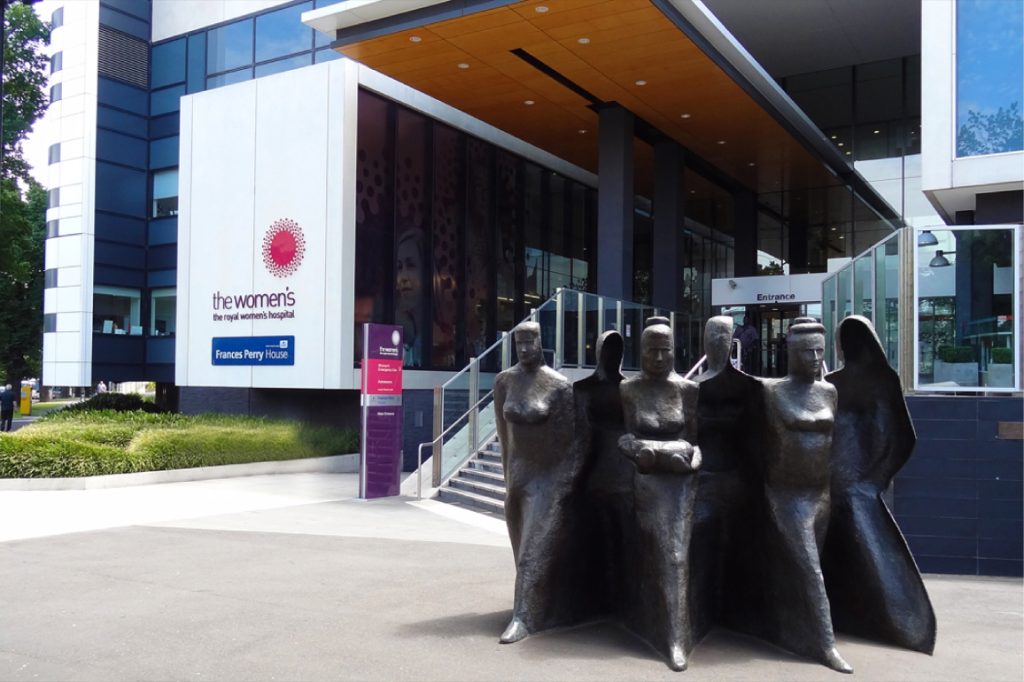
Location
Melbourne, Victoria
Sector
Healthcare
Completion Year
2025
Project Overview
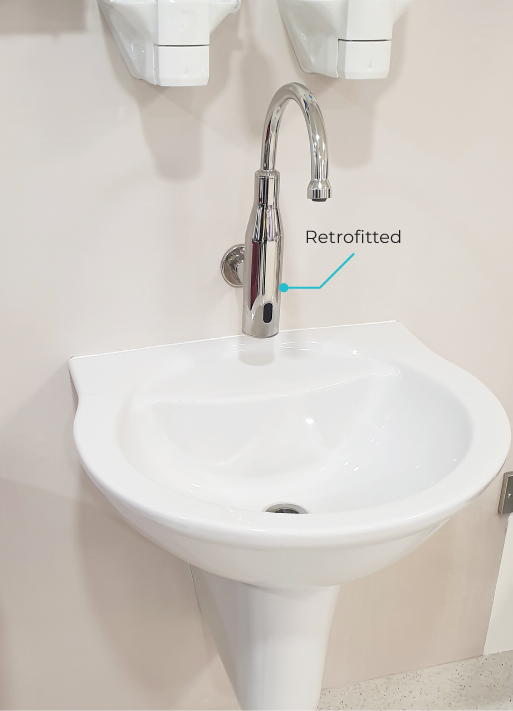
This project at the Royal Women’s Hospital focused specifically on upgrading existing hand hygiene infrastructure through the replacement of over 300 hands-free taps.
The initiative was driven by ongoing performance challenges with the existing tapware, along with difficulties in sourcing replacement components. As a high-demand healthcare environment, the hospital required a practical and efficient upgrade solution that could be implemented without disrupting daily operations.
Project Requirements
The hospital required a solution that could:
• Replace over 300 existing hands-free taps experiencing performance issues across the facility
• Work within the constraints of the existing basin and tapware layout
• Resolve ongoing maintenance challenges due to unavailable spare parts
• Deliver consistent and reliable performance in high-use clinical areas
• Allow for efficient installation with minimal operational disruption
GENTEC Solution
GENTEC supplied and custom-engineered its GPURE® GENEVO Electronic Sensor Tap (GPG3000) to meet the specific requirements of the upgrade.
To ensure compatibility with the existing infrastructure, the tapware was configured to suit existing basin layouts across the facility. Custom spout heights and reaches were developed to accommodate varying basin sizes, avoiding the need for costly modifications.
GENTEC also engineered installation-friendly fittings, enabling Engineering and Maintenance teams to carry out replacements efficiently while keeping the hospital fully operational throughout the upgrade program.
Products Installed

Outcomes & Benefits
• Improved reliability: The new GPG3000 tapware delivers consistent, dependable performance, reducing downtime and maintenance concerns.
• Seamless integration: Custom-designed taps ensured compatibility with existing basins, eliminating the need for costly infrastructure modifications.
• Operational continuity: The efficient installation design enabled staged replacement works without disrupting hospital services.
• Reduced maintenance burden: Readily available components and robust engineering improve serviceability and reduce maintenance burden

Adeney Private Hospital
Location: Kew, Victoria
Sector: Healthcare
Completion Year: 2025

Jabiru Medical Centre
Location: Jabiru, Northern Territory
Sector: Healthcare
Completion Year: 2024

Paula Fox Melanoma & Cancer Centre
Location: Melbourne, Victoria
Sector: Healthcare
Completion Year: 2024
Royal Women’s Hospital
Location: Melbourne, Victoria
Sector: Healthcare
Completion Year: 2025
