Showing 15 results
-
 Add to ProjectView Product
 -
 Add to ProjectView Product
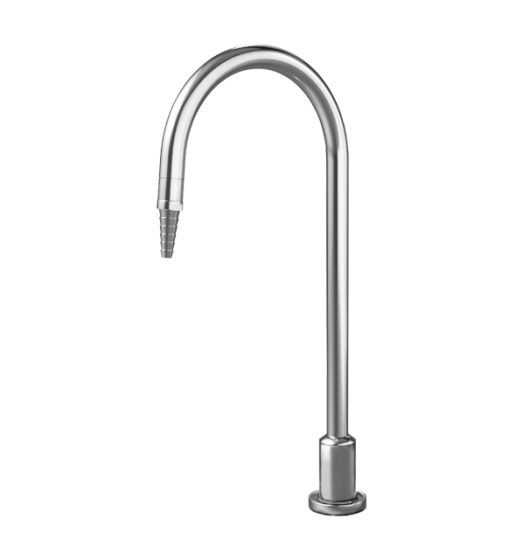
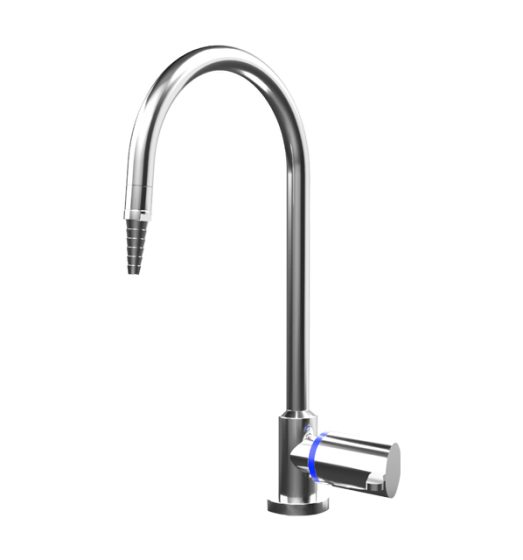
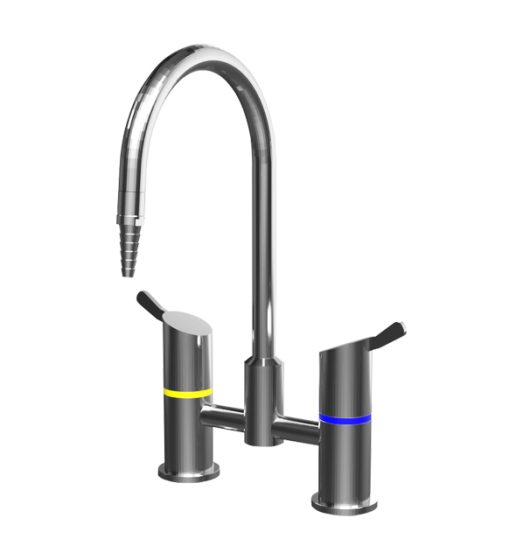
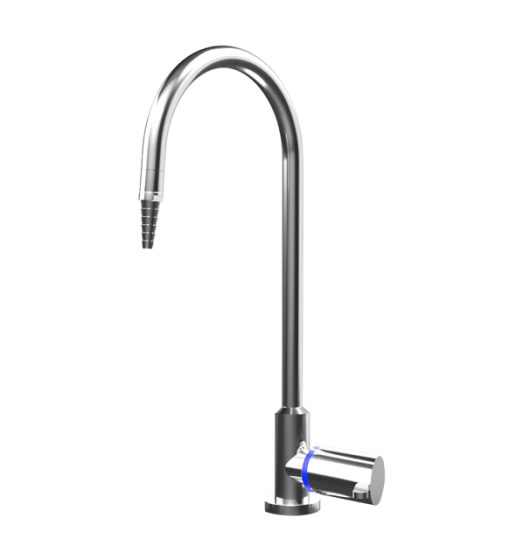
Gentec’s Laboratory Tapware hub supplies WaterMark-certified stainless steel and DZR brass tapware for Australian research, education and healthcare laboratories requiring water, gas, vacuum or compressed-air services.
Gentec’s Laboratory Tapware range equips Australian research facilities, university labs, school science blocks and hospital pathology labs with fittings built for continuous, high-frequency use across water, gas, vacuum and compressed-air services. For potable and special water outlets on wet-bench and pathology stations, our Gpure Duralab range delivers zero-lead (0.00%) Grade 316 stainless steel tapware with WELS-registered flow rates. For gas, vacuum, compressed air and non-potable special-water services, our DURALAB Gas and Dry Services range delivers control valves – the type of fitting the market commonly searches for as a “gas turret” – built to AS 3718:2021 performance requirements. Matching each outlet to its exact service – not just its finish – is the compliance decision that matters most under NCC 2022. If you need water outlets specifically, go to Gpure Duralab stainless steel. If you need gas, vacuum or compressed-air services, go to DURALAB Gas and Dry Services.
Showing 15 results
Choose this if:
Choose this Laboratory Tapware hub if you are comparing water, gas, vacuum and dry-service options before specifying a mixed-service laboratory bench.
Choose Stainless Steel Labs tap instead :
Choose sibling Gpure Duralab (316 Stainless Steel) instead if you need potable or special water outlets in wet-bench, pathology or hygiene-critical areas.
Choose Duralab Gas and Dry services instead :
Choose sibling DURALAB Gas and Dry Services (DZR Brass) instead if you need gas, vacuum, compressed air, RO (Reverse Osmosis) Water or non-potable special-water control valves.
Knox Grammar School – DURALAB Laboratory Taps
CSIRO Research Laboratory Victoria – DURALAB Laboratory Taps
Laboratory tapware is tapware and control valves specified for laboratory bench services – potable and special water, gas, vacuum and compressed air – built to withstand continuous use, chemical exposure and frequent cleaning. Unlike general commercial tapware, laboratory ranges separate water outlets, typically Grade 316 stainless steel, from gas and dry-service valves, typically DZR brass, because each service carries distinct compliance, material and certification requirements under Australian plumbing and gas-fitting standards. Gentec Australia got laboratory tap ranges to cover your needs along with compliance.
Yes, any laboratory tapware connected to a water supply must hold WaterMark certification to be legally installed in Australia. WaterMark verifies the product meets AS 3718:2021 performance requirements and, where relevant, AS/NZS 4020:2018 requirements for contact with drinking water. Gas and vacuum valves are certified separately under applicable gas-fitting standards rather than WaterMark. Specifiers should check the certificate number against the ABCB WaterMark database before finalising any water-service tapware selection, since certification can change if a manufacturer revises a product’s internal components.
From 1 May 2026, NCC 2022 Clause A5G4(2) prohibits manufacturing non-lead-free WaterMark plumbing products for drinking-water contact in Australia. Compliant products must carry the Lead Free WaterMark and contain no more than 0.25% weighted average lead content, or 0.00% where zero-lead stainless steel is used. Existing compliant stock can still be installed until 1 May 2028, so projects specified before the cutover should confirm which deadline applies to their delivery timeline before ordering.
Yes, mixed-material benches are standard practice – Grade 316 stainless steel water outlets alongside DZR brass gas, vacuum or compressed-air valves – provided every fitting is certified for its specific service and no water-contact fitting exceeds the applicable lead-content limit. Match each product to its intended service rather than standardising on one material across the whole bench, and keep each fitting’s certification documentation on file for the project’s compliance record.
Choose Gpure Duralab (316 stainless steel) for potable or special water outlets on wet-bench, pathology or washdown stations where zero lead content and maximum corrosion resistance are required. Choose DURALAB Gas and Dry Services (DZR brass) for gas, vacuum, compressed air or non-potable special-water control valves. Most laboratory fitouts specify both ranges, one per service type, rather than a single range for the entire bench